
Imagine being able to try on clothes through your phone…
Transform your look with an AI app that lets you virtually try on any clothing.
Role: Product Designer
Duration: 5 weeks (2 sprints)
Team: Product Owner, 2 developers (ML + Frontend), and me as the sole designer
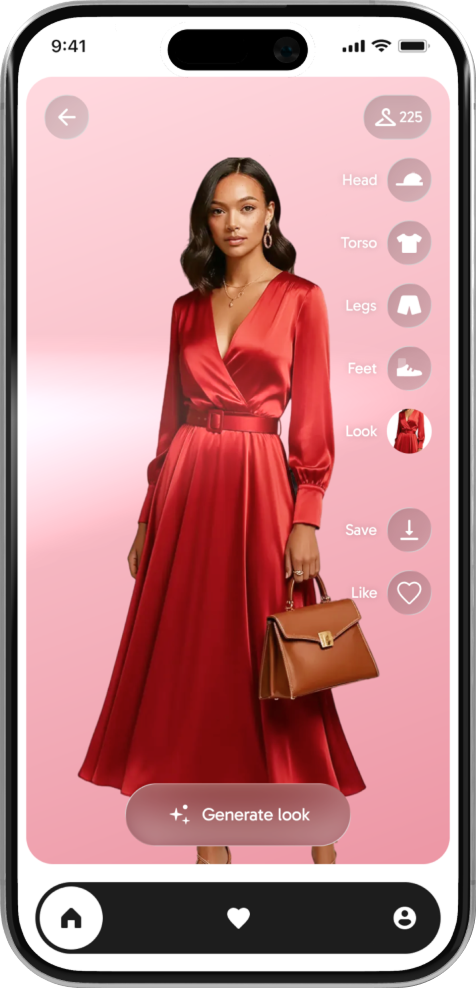
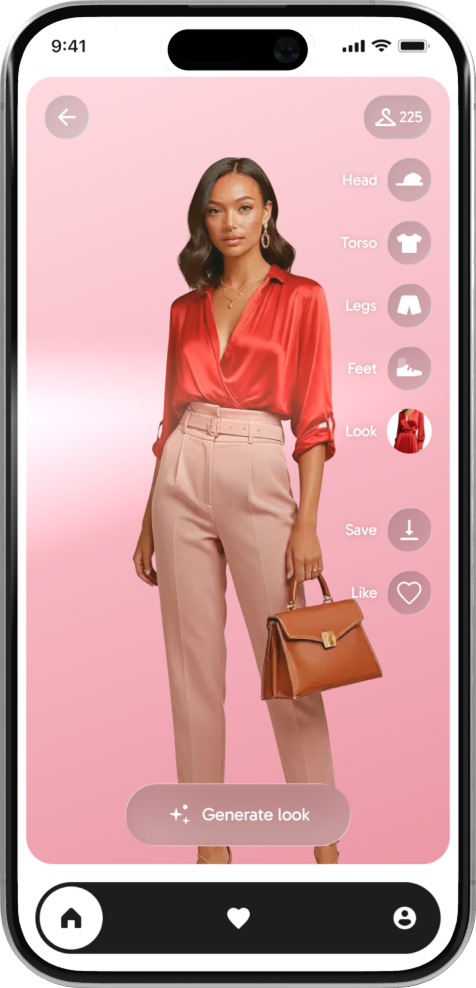
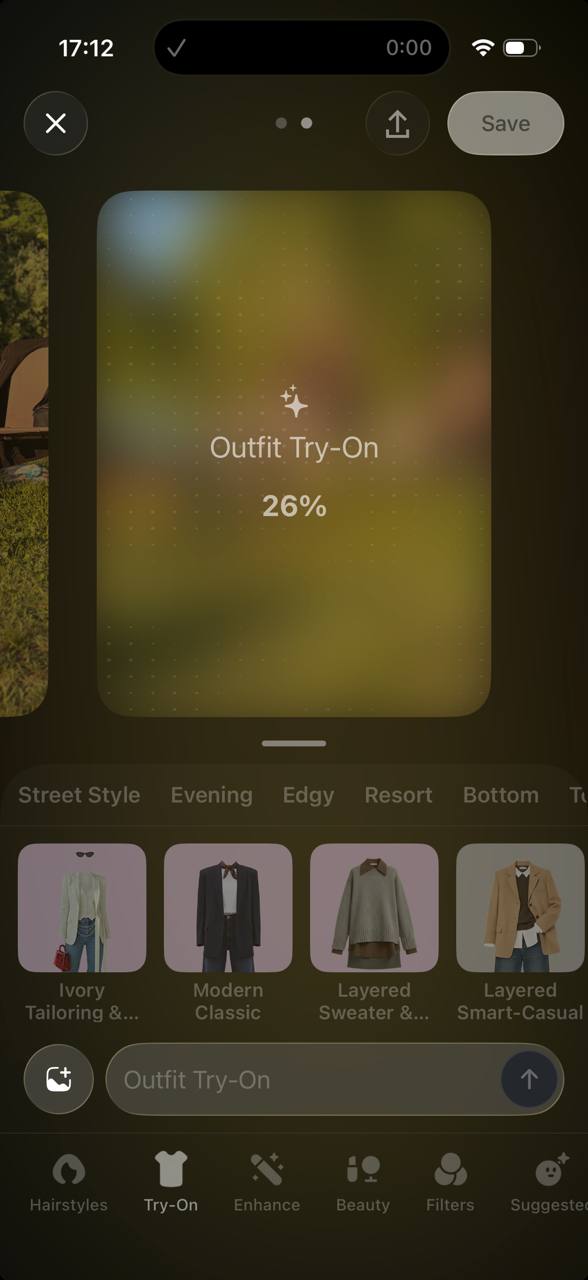
Looksy is an AI-powered mobile app that lets users upload a photo of themselves and “try on” any piece of clothing or entire outfit uploaded as an image. Its main value lies in offering a quick and realistic virtual try-on experience without having to go to a store.

The owner had a clear vision for the product and a very tight deadline—a fully functional product had to be delivered in five weeks. Due to the tight deadlines, it wasn’t possible to conduct in-depth user interviews at the outset.
Research & Conceptualisation
Ideation & Design
Testing & Validations
Iteration
Refinement & Finalisation
“I needed to quickly understand the market, identify the key features, and create an intuitive interface that even new users could easily navigate.”
At the beginning, I conducted a competitive analysis.
Reddit has become one of the main research tools due to its nature — people there speak honestly, without filters, about what they really think about products. I worked with it in two directions:


Competitor Search
Through thematic subreddits, I found mentions of apps with similar functionality — people themselves shared “try this app” or “there’s something like...”. This provided an organic list of competitors that’s hard to gather just through Google.




Understanding the Audience Without Interviews
Since there was no time for classic interviews, Reddit effectively replaced them. I read three types of content:
What people like, what annoys them, what they complain about
Posts like “I wish there was an app that could...”, these are direct unmet needs
Fashion forums and communities around digitalization of fashion, discussing trends, online shopping, and style technologies



Briefly about each competitor:
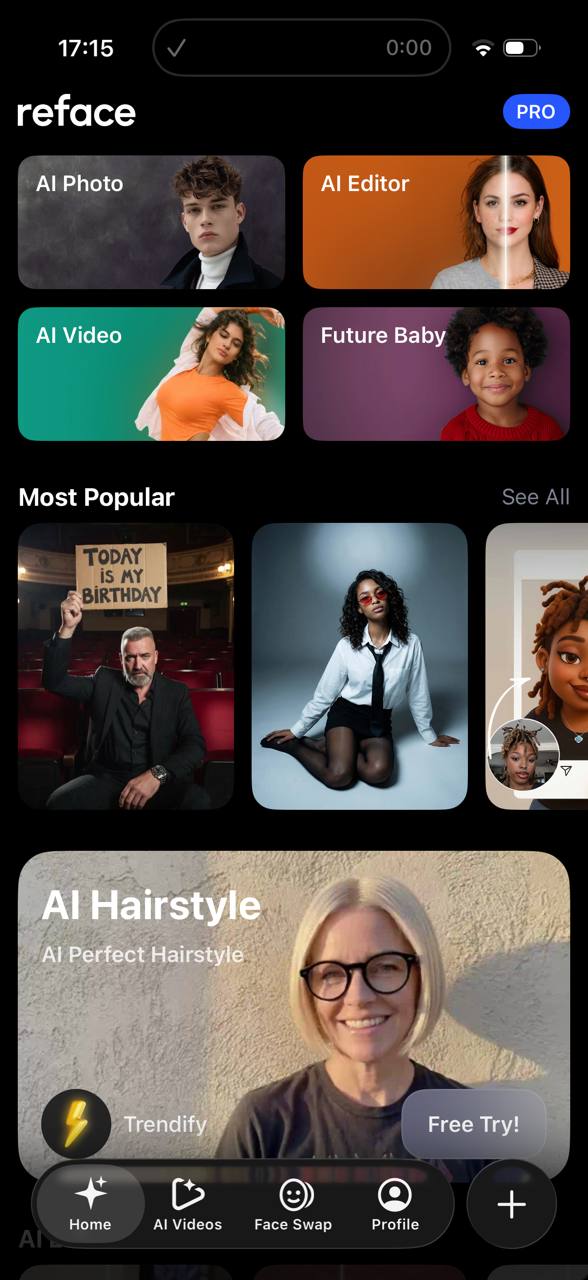
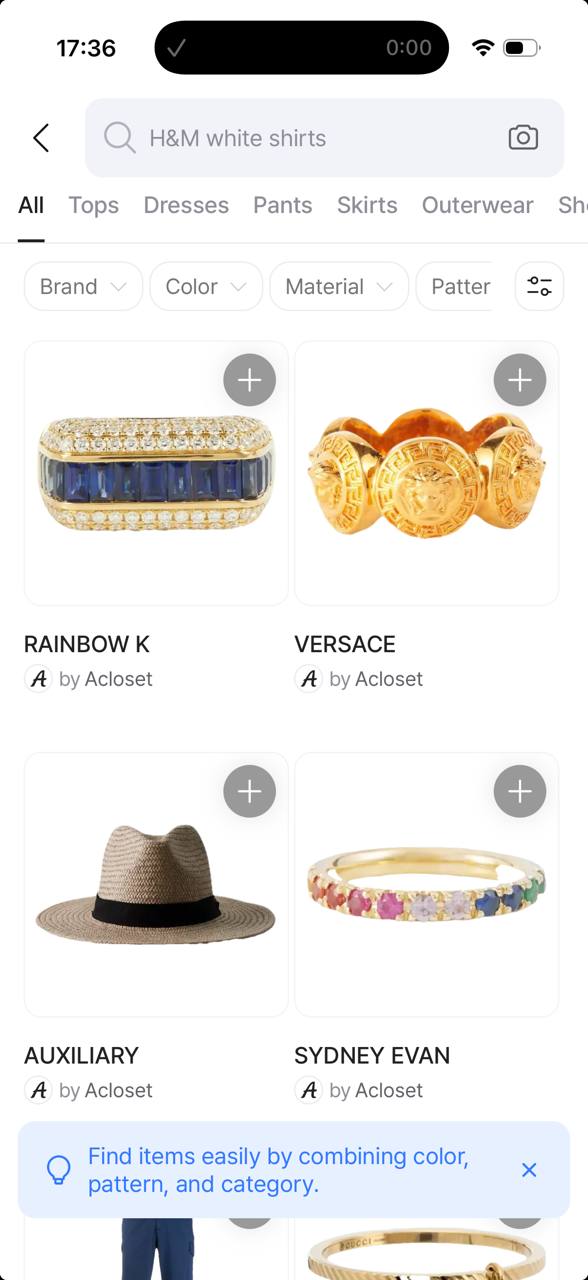
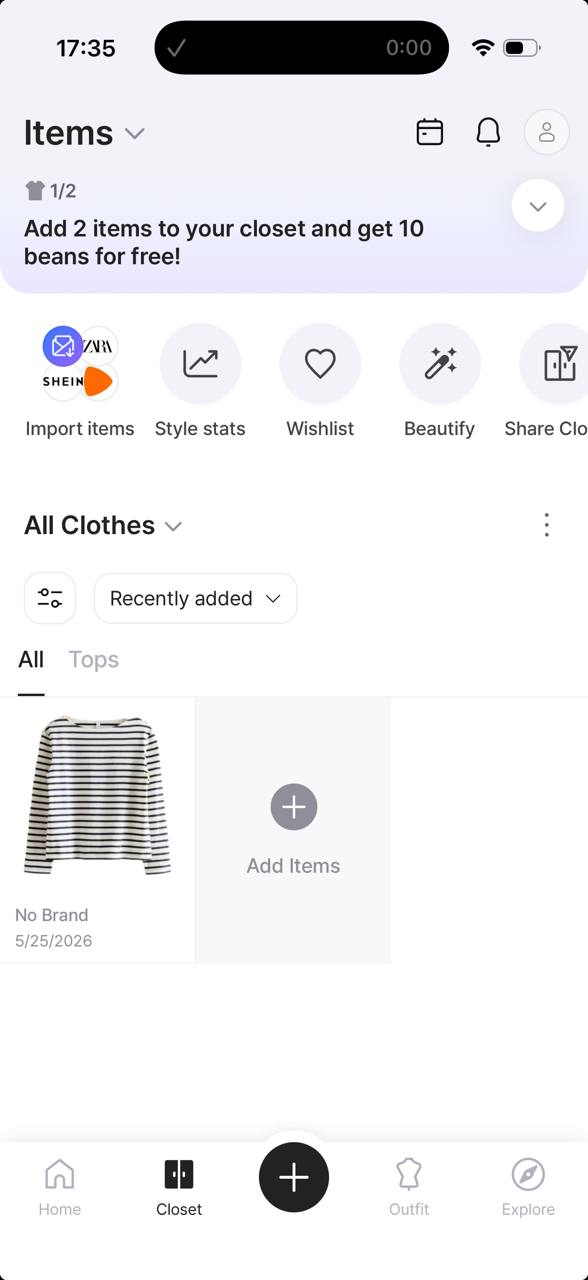
Reface & Acloset
Reface effectively demonstrated the power of AI in photo transformation but heavily restricted users with its preset templates, not allowing them to upload their own clothing. Aclothet, on the other hand, offered freedom in creating looks and working with real items from stores but completely lacked the option for virtual try-on.
 Cool AI images
AI Assistant
User-friendly interface
Various image editing ideas
Gamification of the process
Cool AI images
AI Assistant
User-friendly interface
Various image editing ideas
Gamification of the process
 Small number of patterns
Cannot test without subscription
Restrictions only with patterns in the app
Small number of patterns
Cannot test without subscription
Restrictions only with patterns in the app
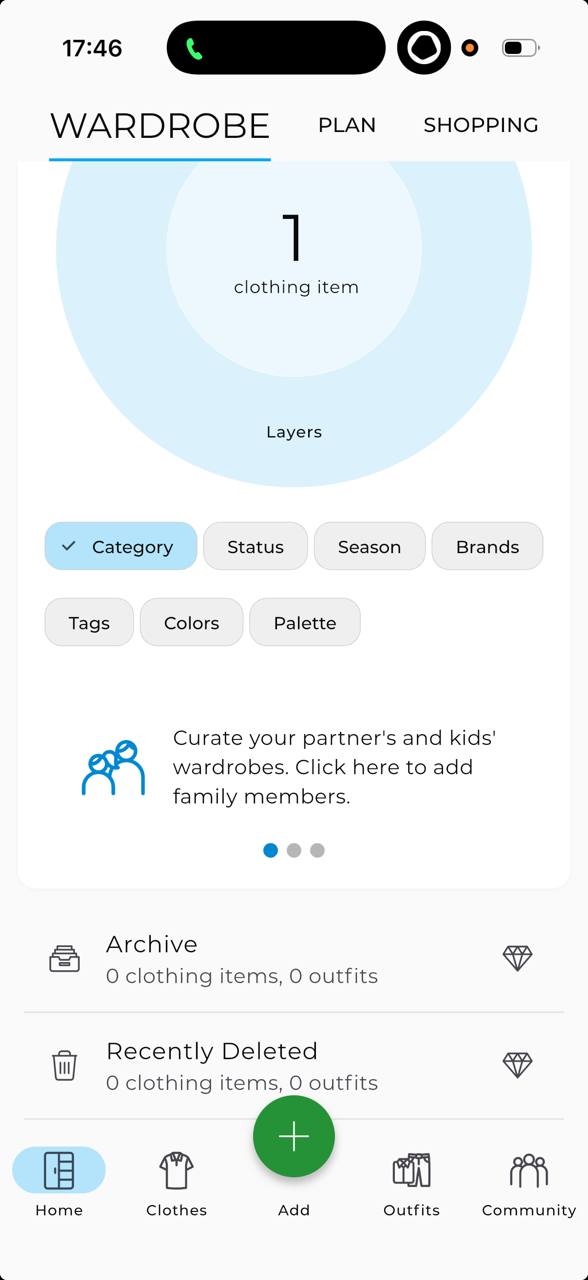
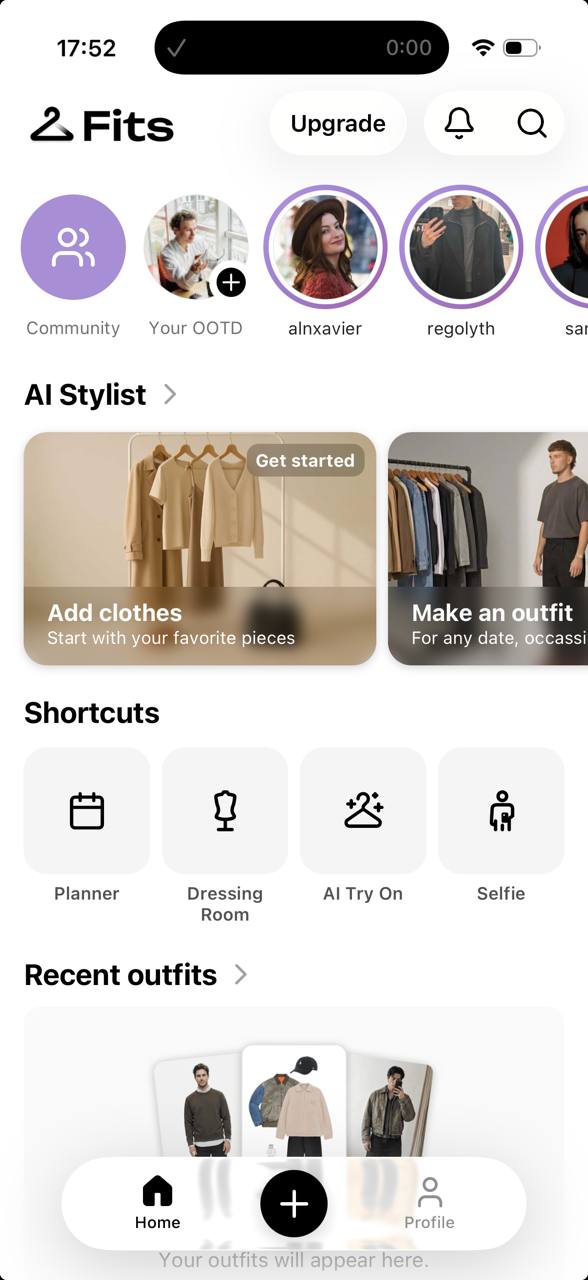
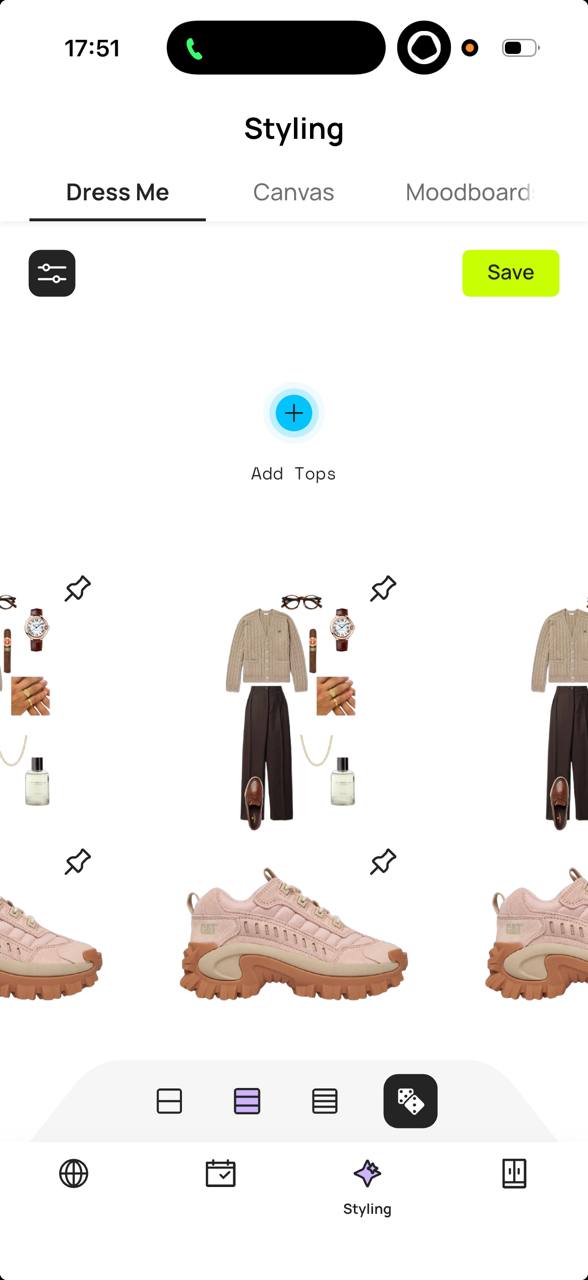
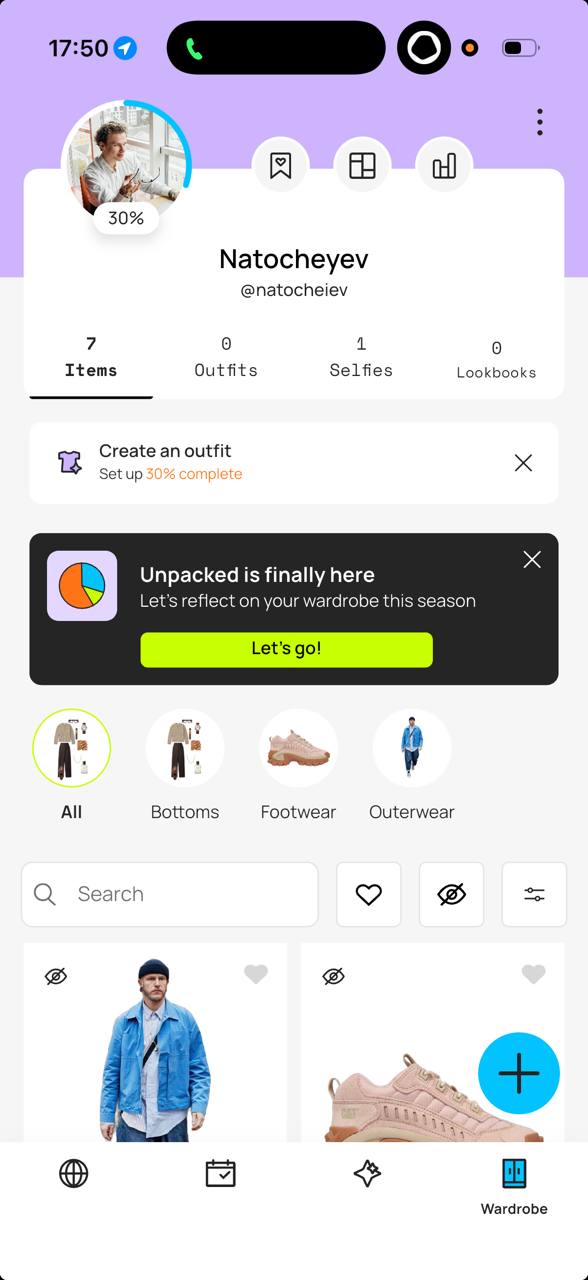
GetWardrobe, Fits & Whering
GetWardrobe lets you digitize your wardrobe and create outfits with basic AI try-on, but the generation quality remains quite weak.
Fits manages closet organization and outfit creation well, but focuses more on planning than realistic virtual try-on.
Whering includes a social component and style recommendations, but the clothing try-on feature on your photo is minimally implemented or missing.
AI outfit recommendations
Convenient wardrobe organization
Easy outfit creation
Style recommendations
Community feedback
Minimal try-on
Limited focus on photos
Limited upload freedom
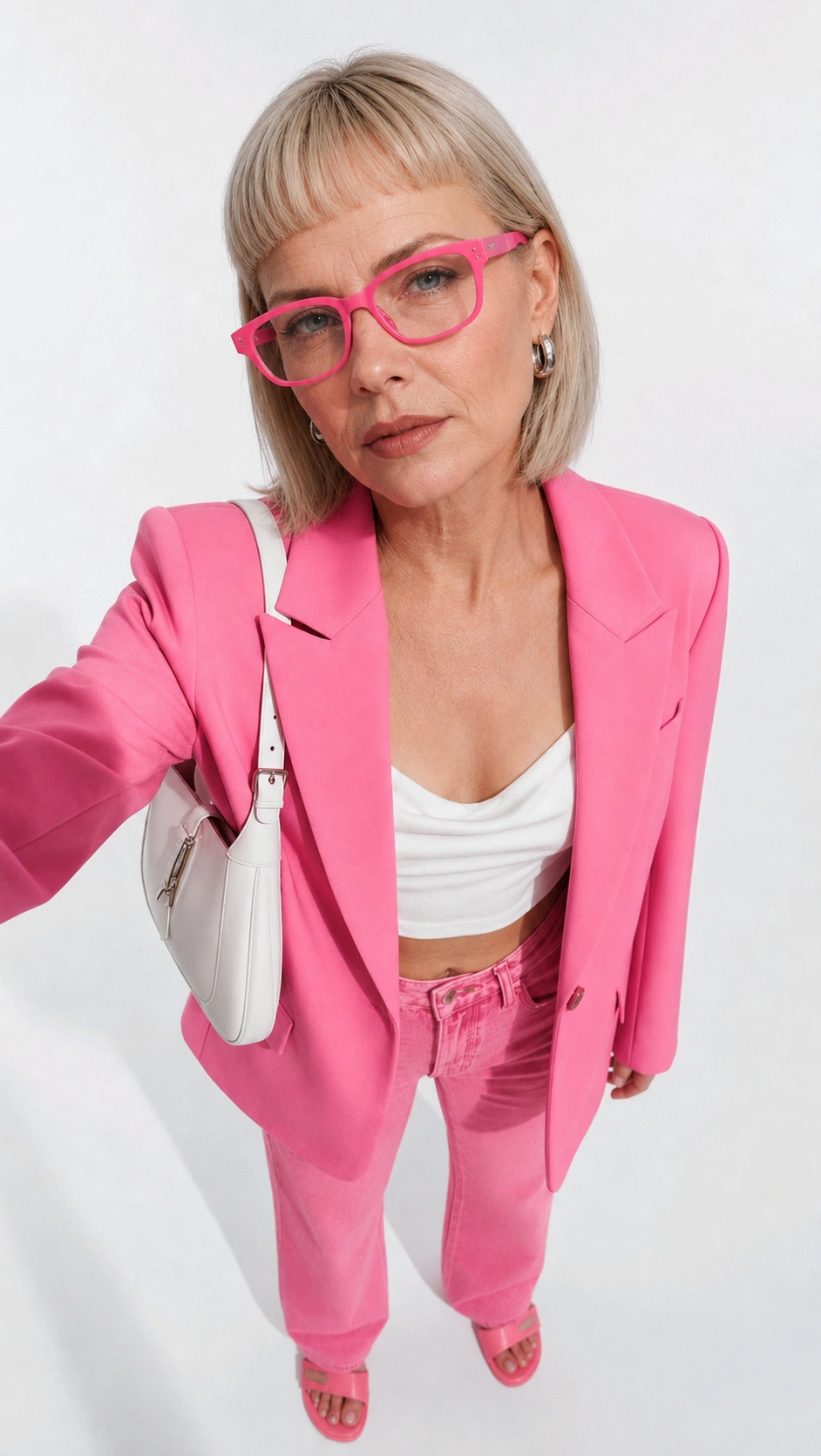
Women aged 22–40 who are actively interested in fashion, online shopping, and content creation.
Characteristics:

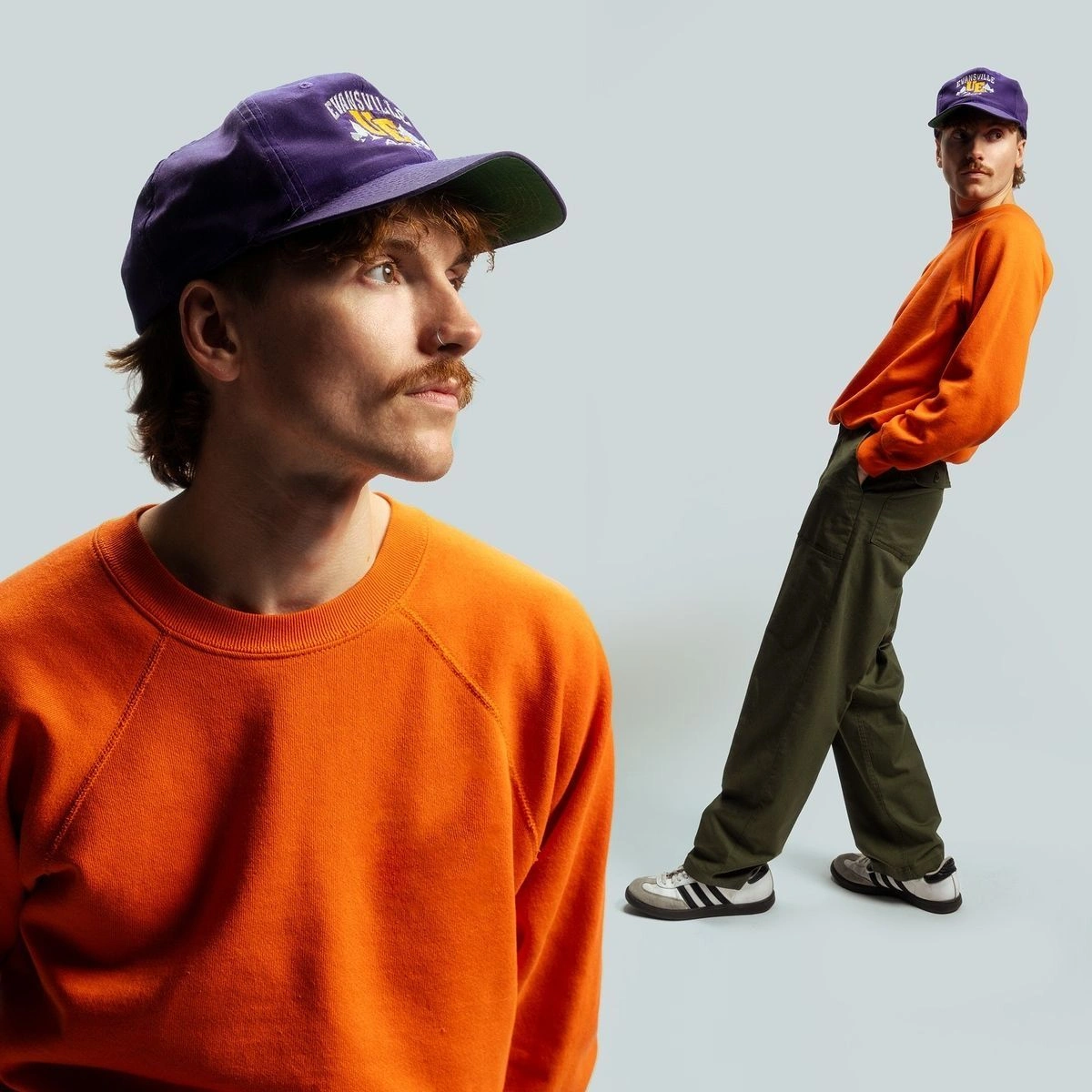
Men aged 25–35, mainly for gift shopping or personal use
Characteristics:

High return rates in online shopping
Lack of time to experiment with looks
Uncertainty in choosing a style
Difficulty creating content for social media
Limited personal wardrobe
No opportunity to “play” with fashion
We identified three main use cases that the product was built around:
Try on clothes from online stores before buying to reduce returns
Quickly change looks in photos for Instagram, TikTok, and Stories
Sort through items, mix and match them into new looks, and find fresh combinations
Due to the project’s tight deadline (5 weeks), the design process was as fast and iterative as possible. I worked using a Design Sprint + Agile approach, focusing on rapid prototyping and early testing.
Creating product requirements and structure
After completing the research, the Product Owner and I created a detailed Functional Requirements Document.
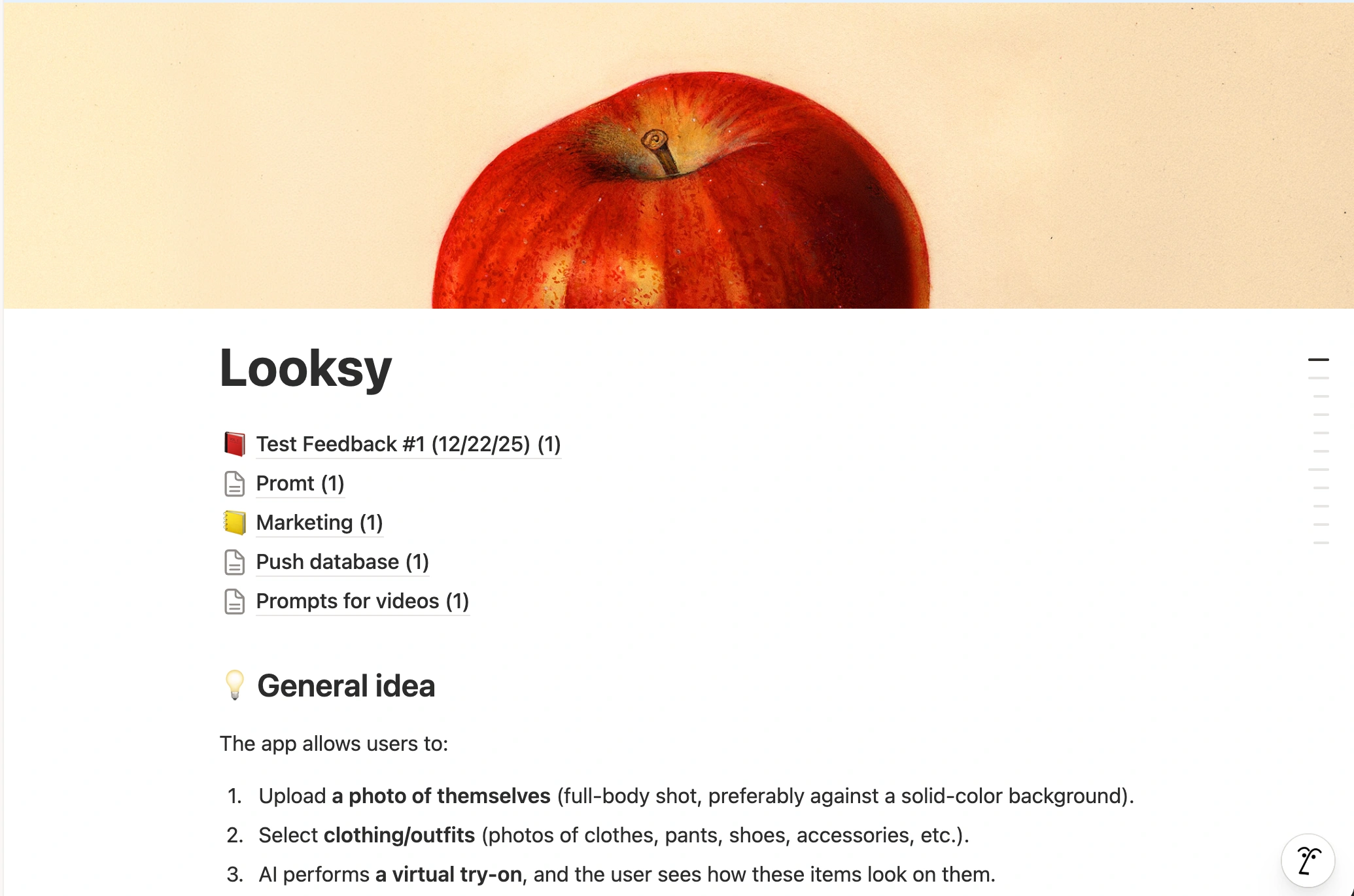
Visual Style Exploration
After discussing with the team and client, we chose a fashion-forward direction with a clean interface, pink-purple gradient accents, and a premium feel.
For exploring our style, I used a mood board composed from various services:




Creating High-Fidelity Wireframes
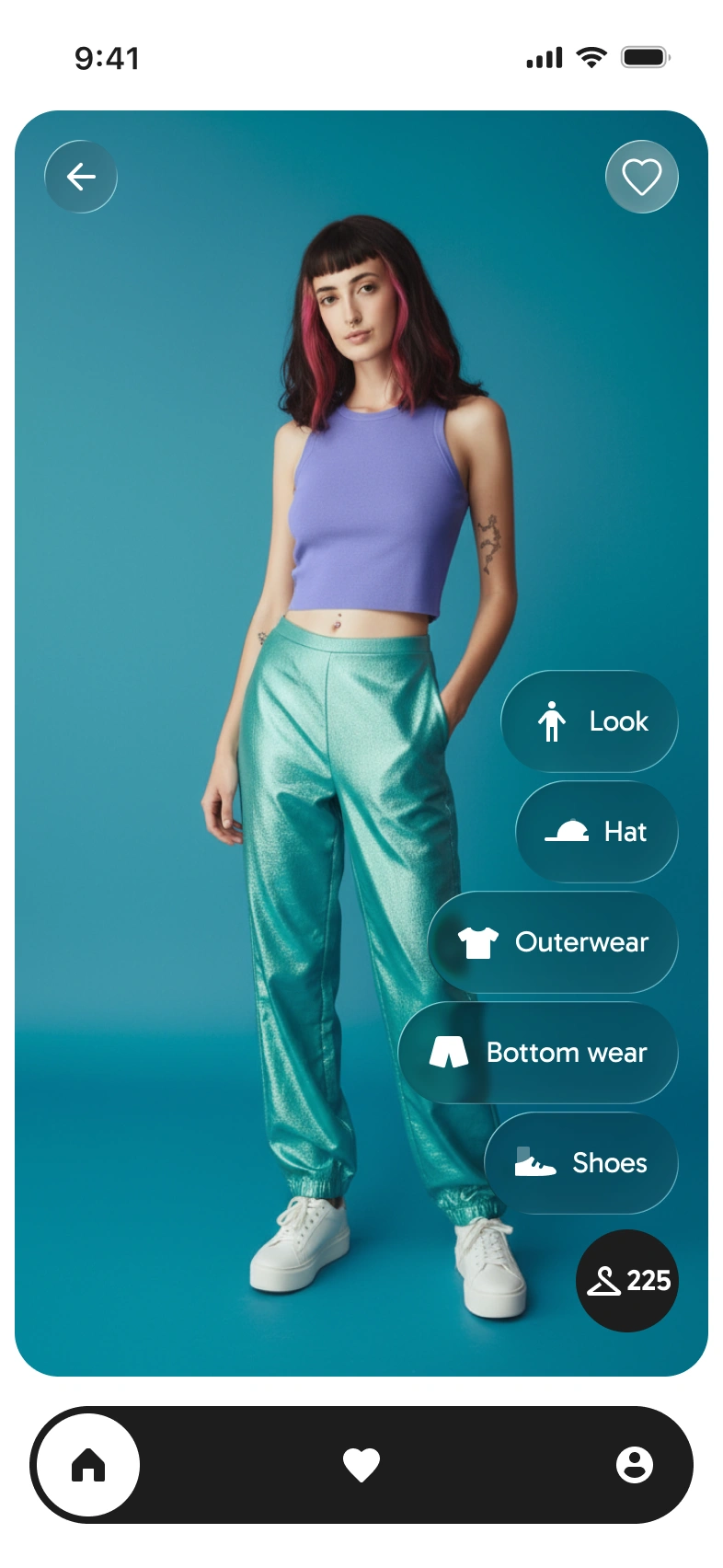
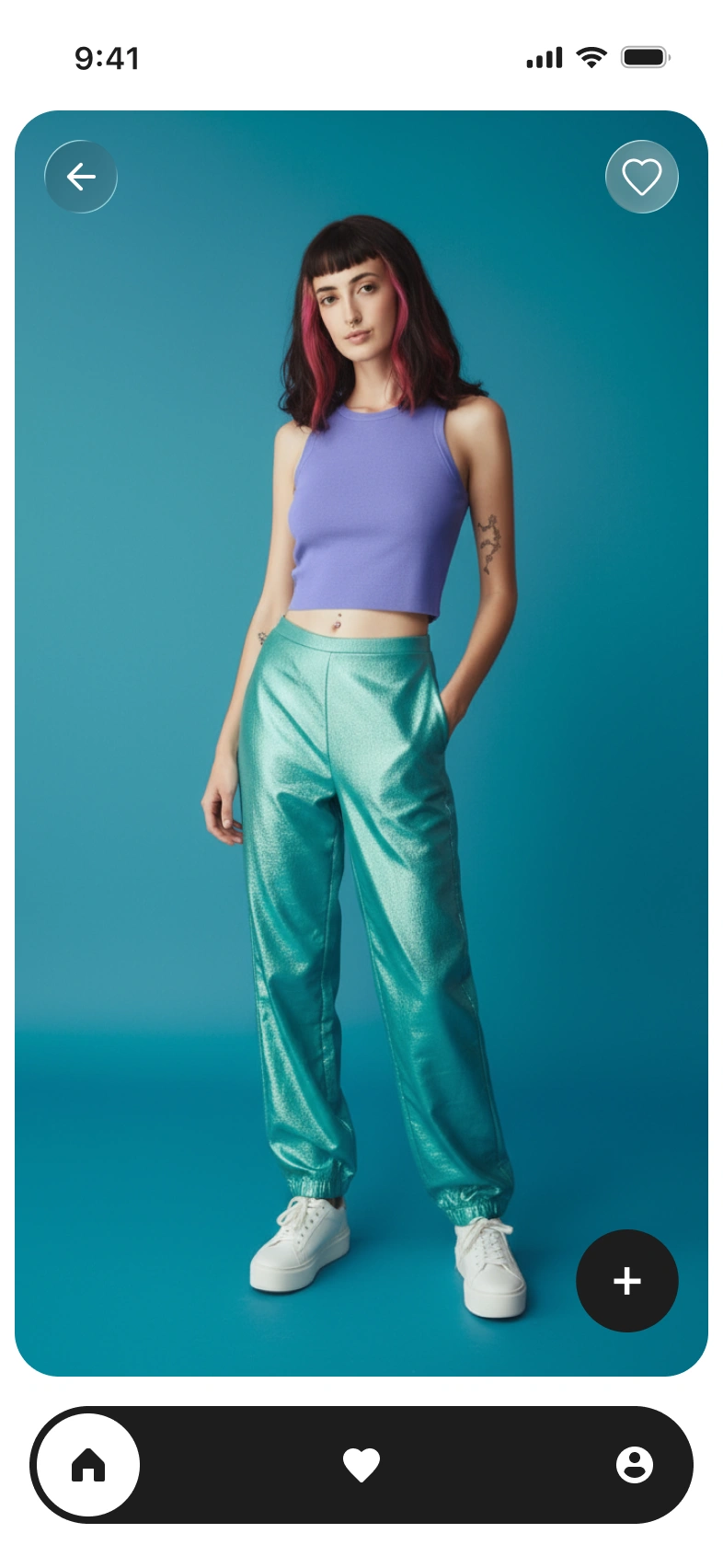
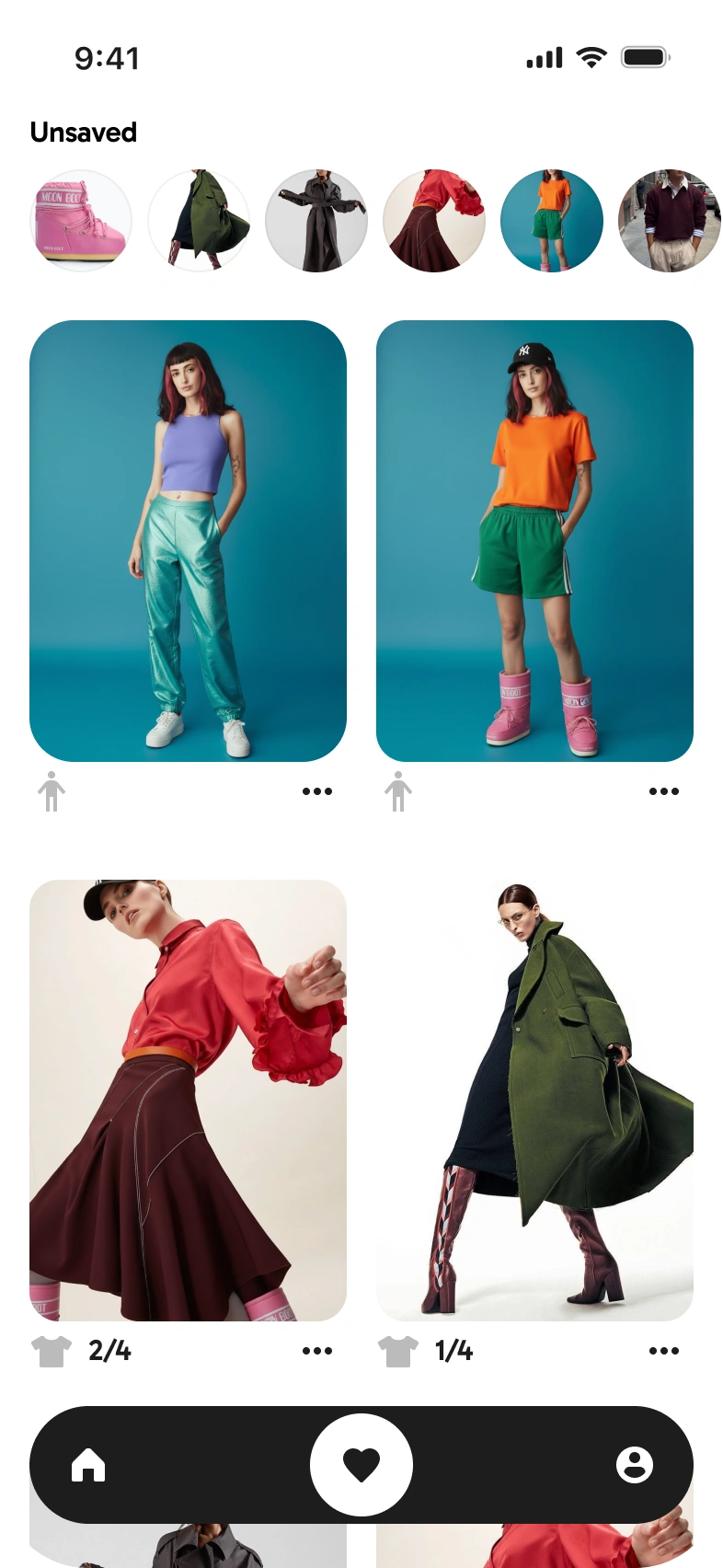
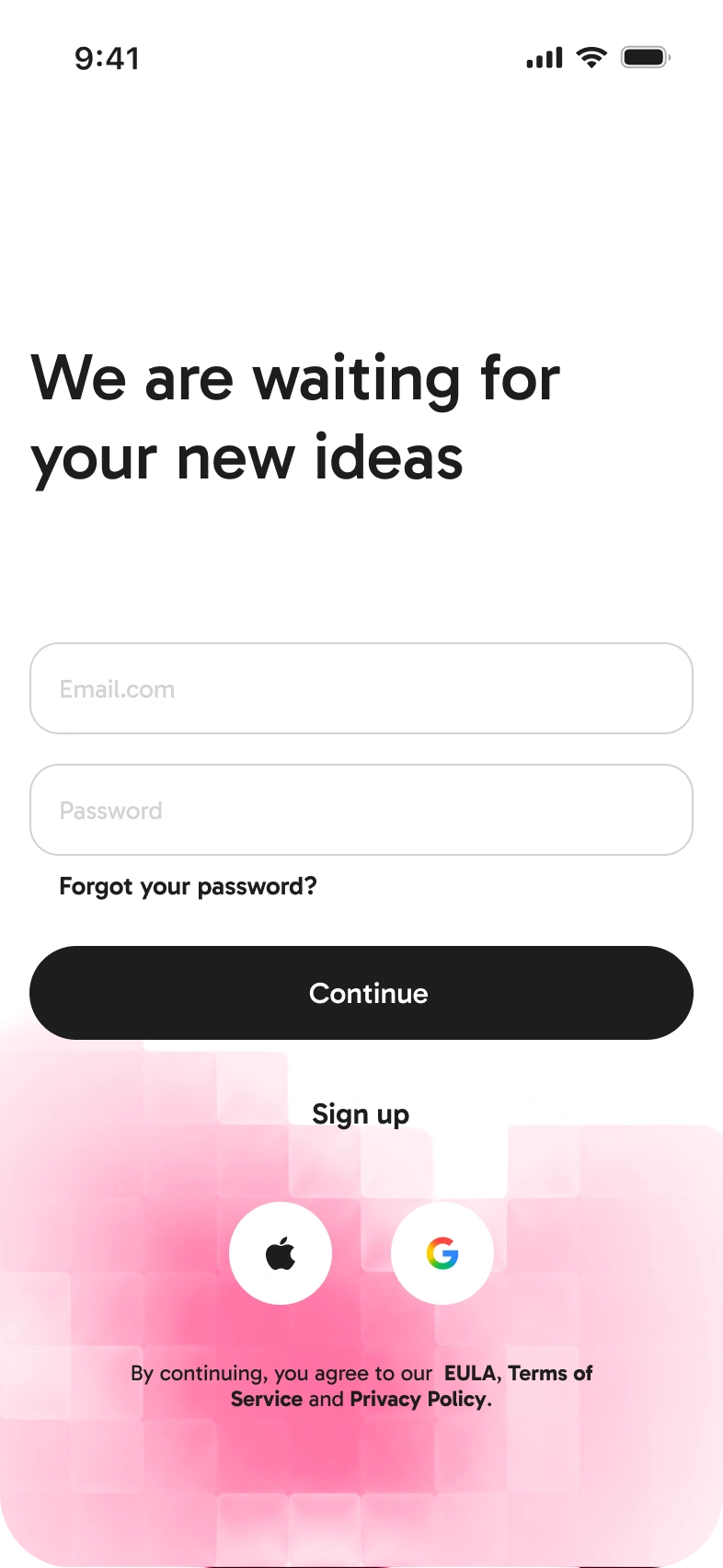
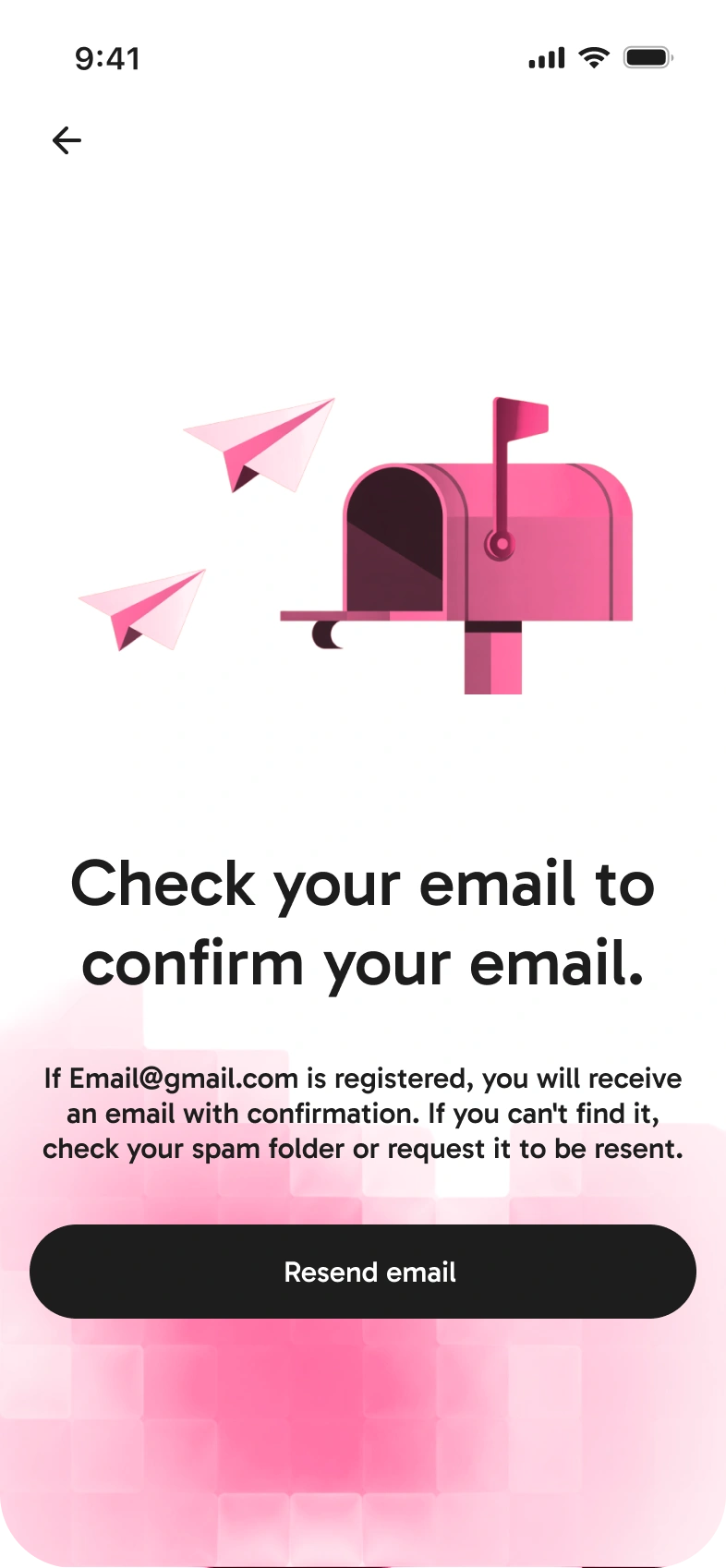
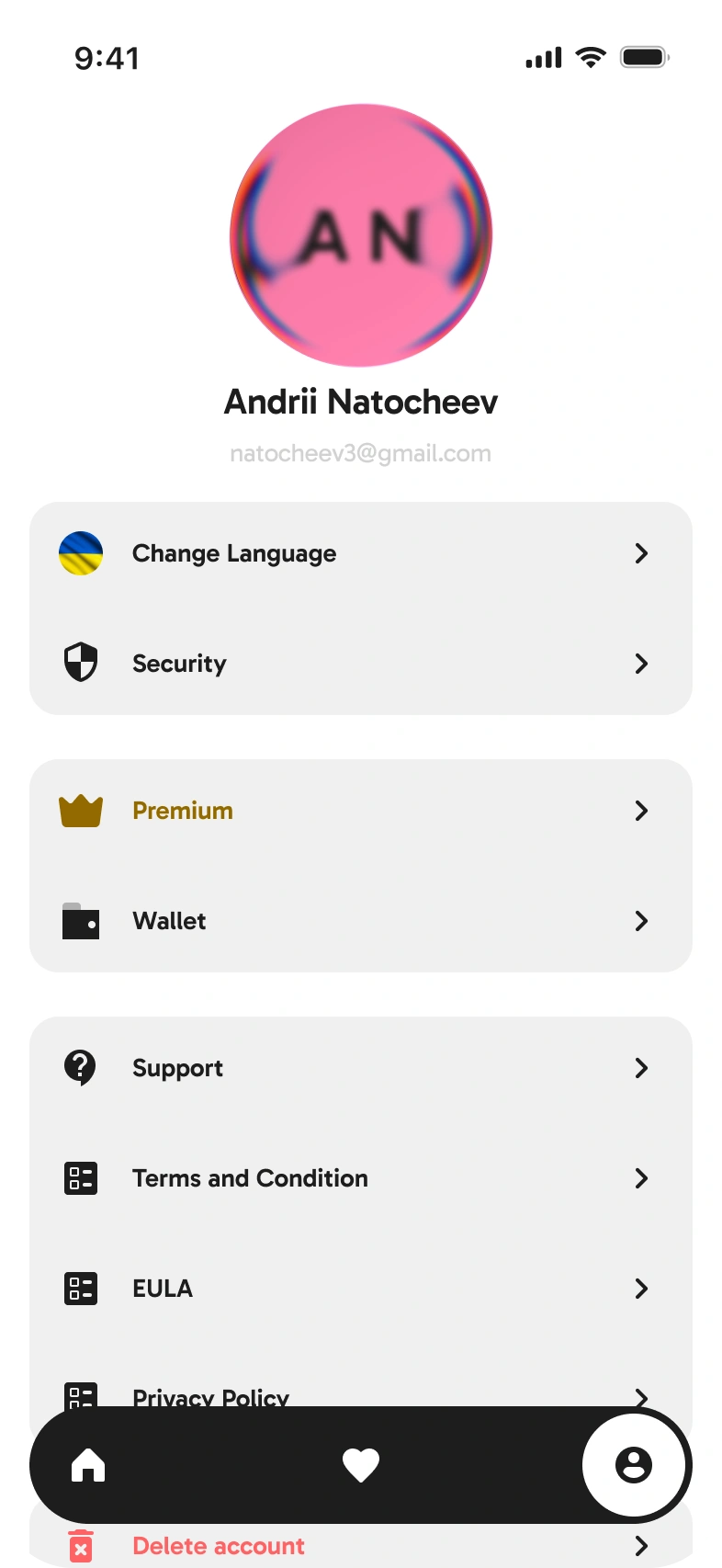
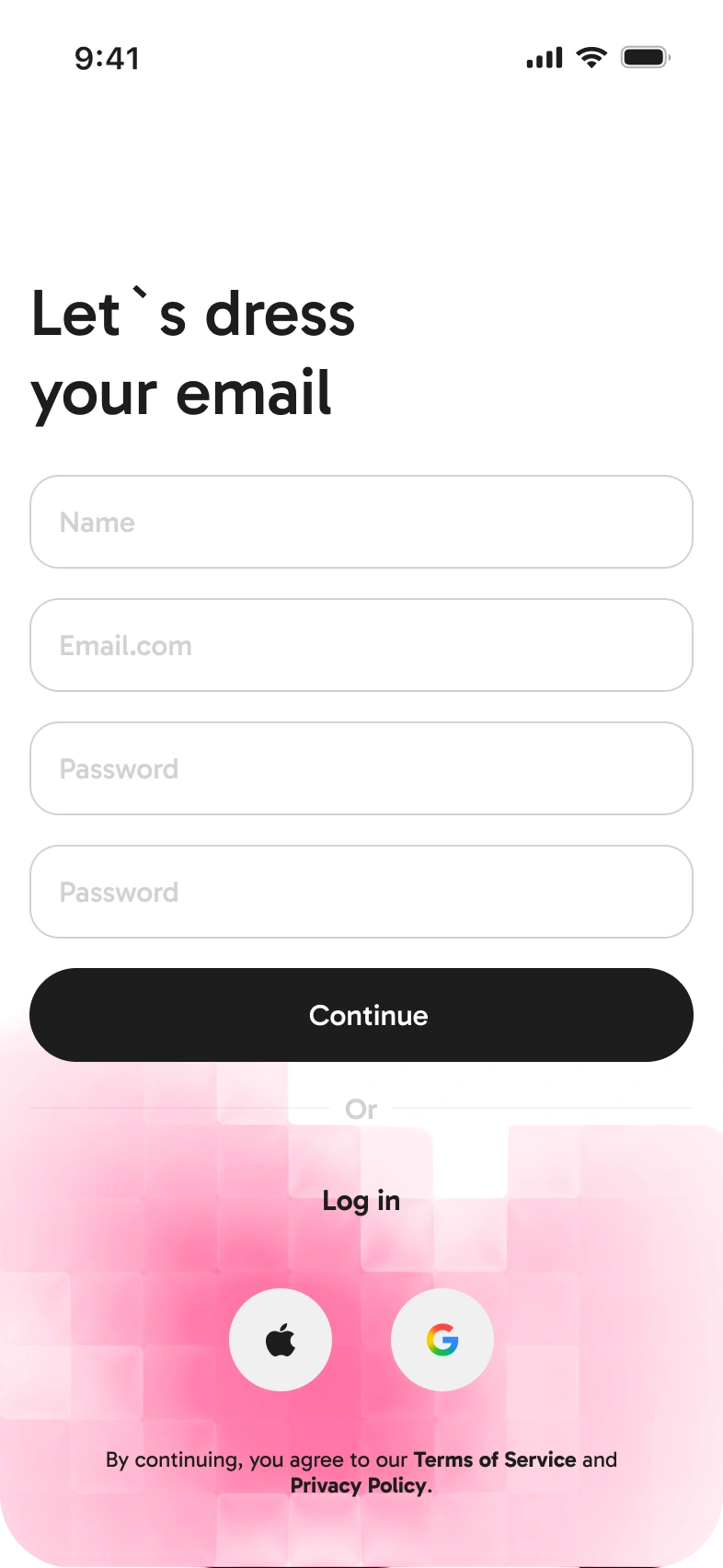
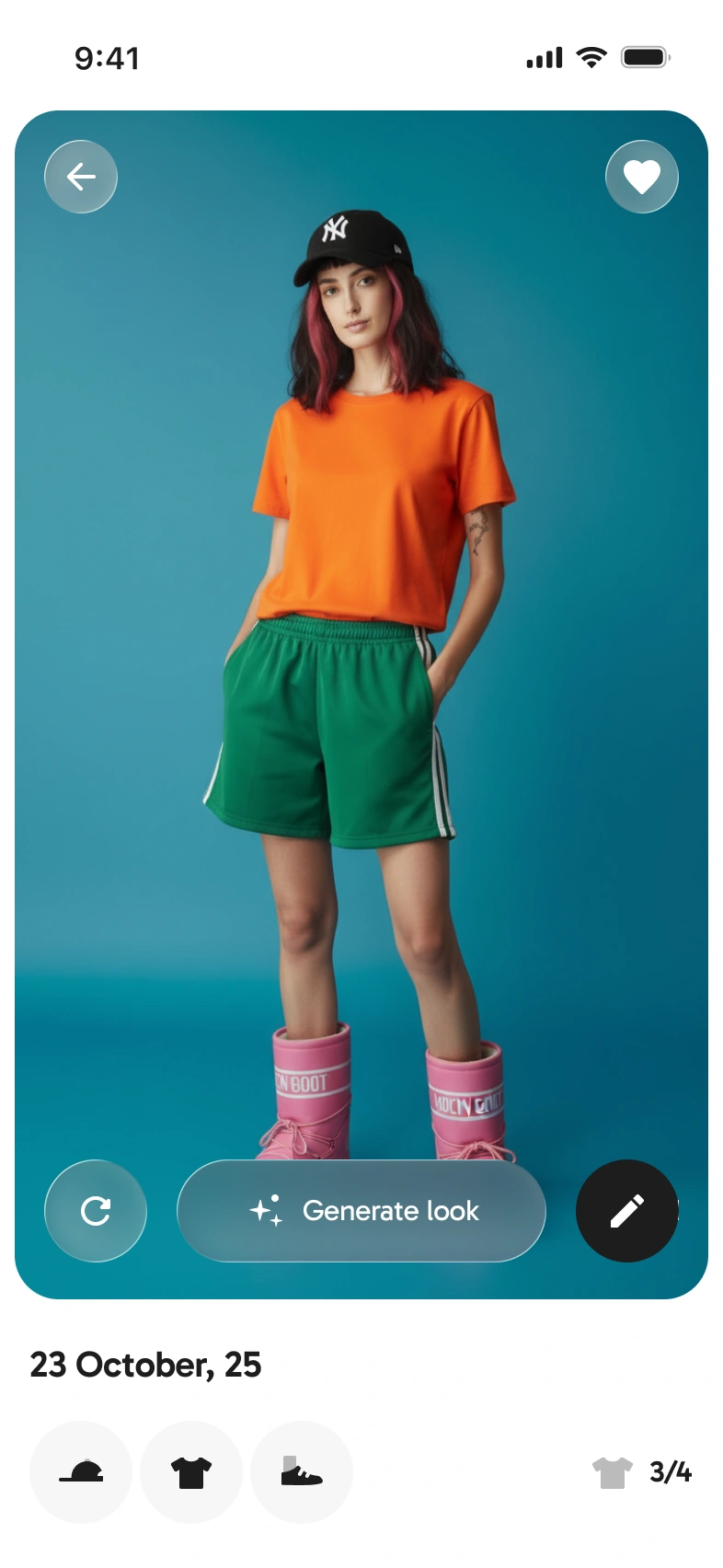
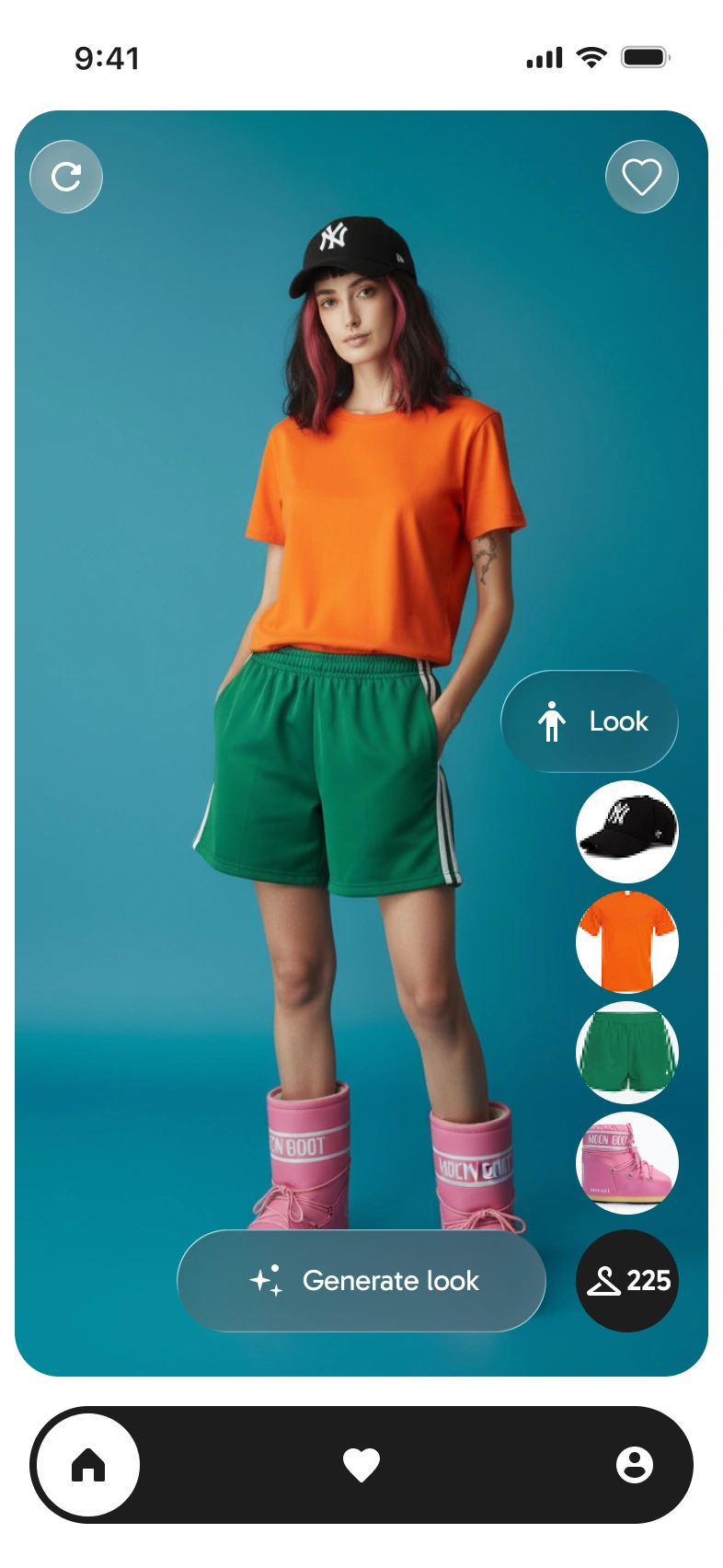
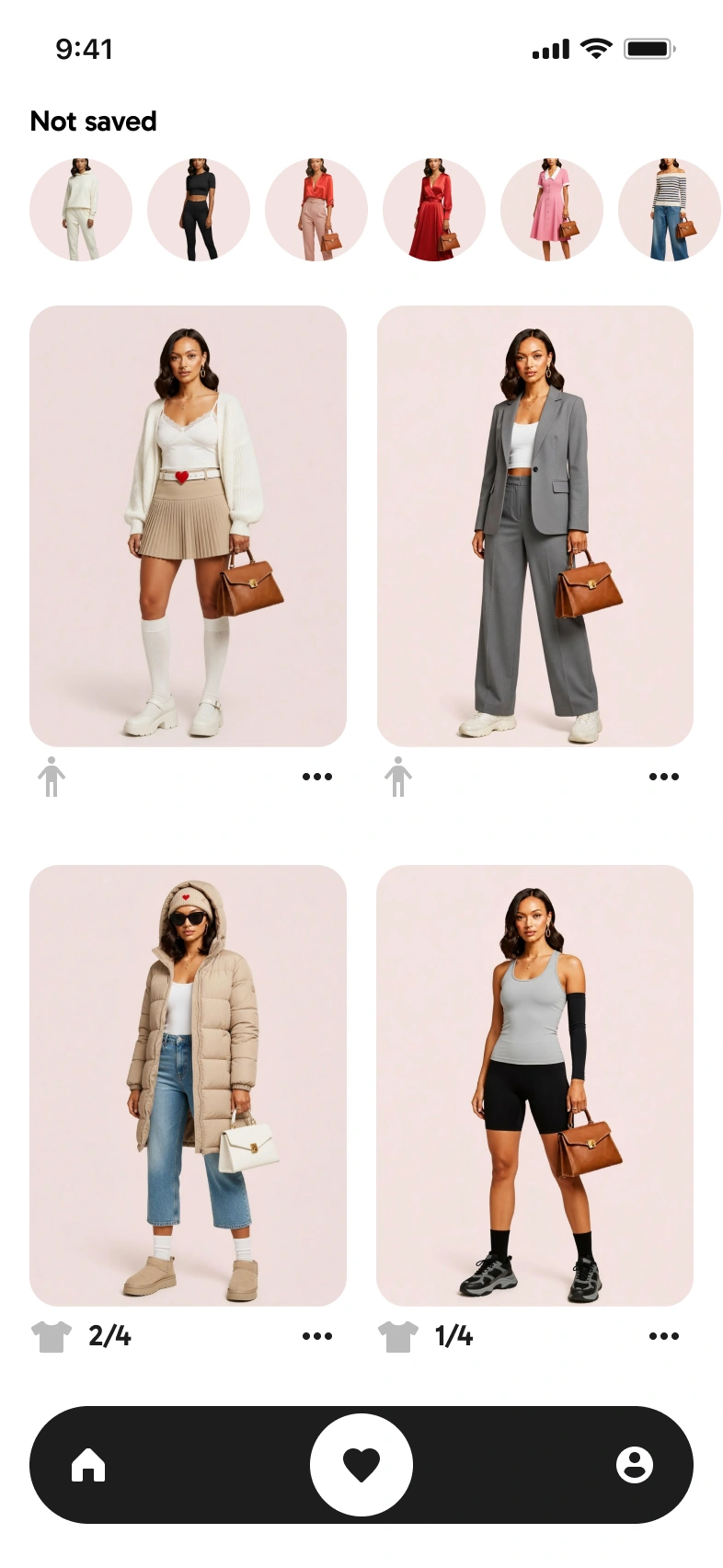
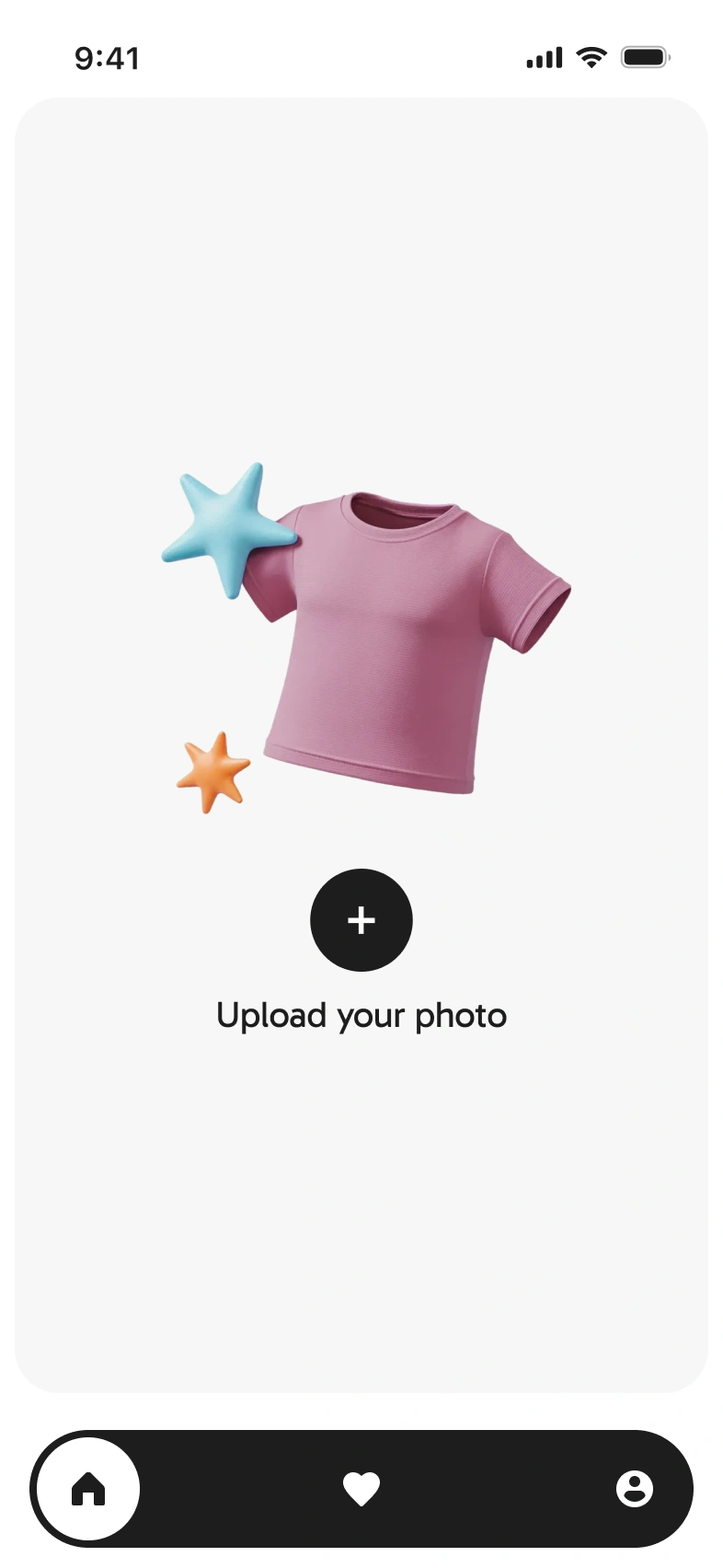
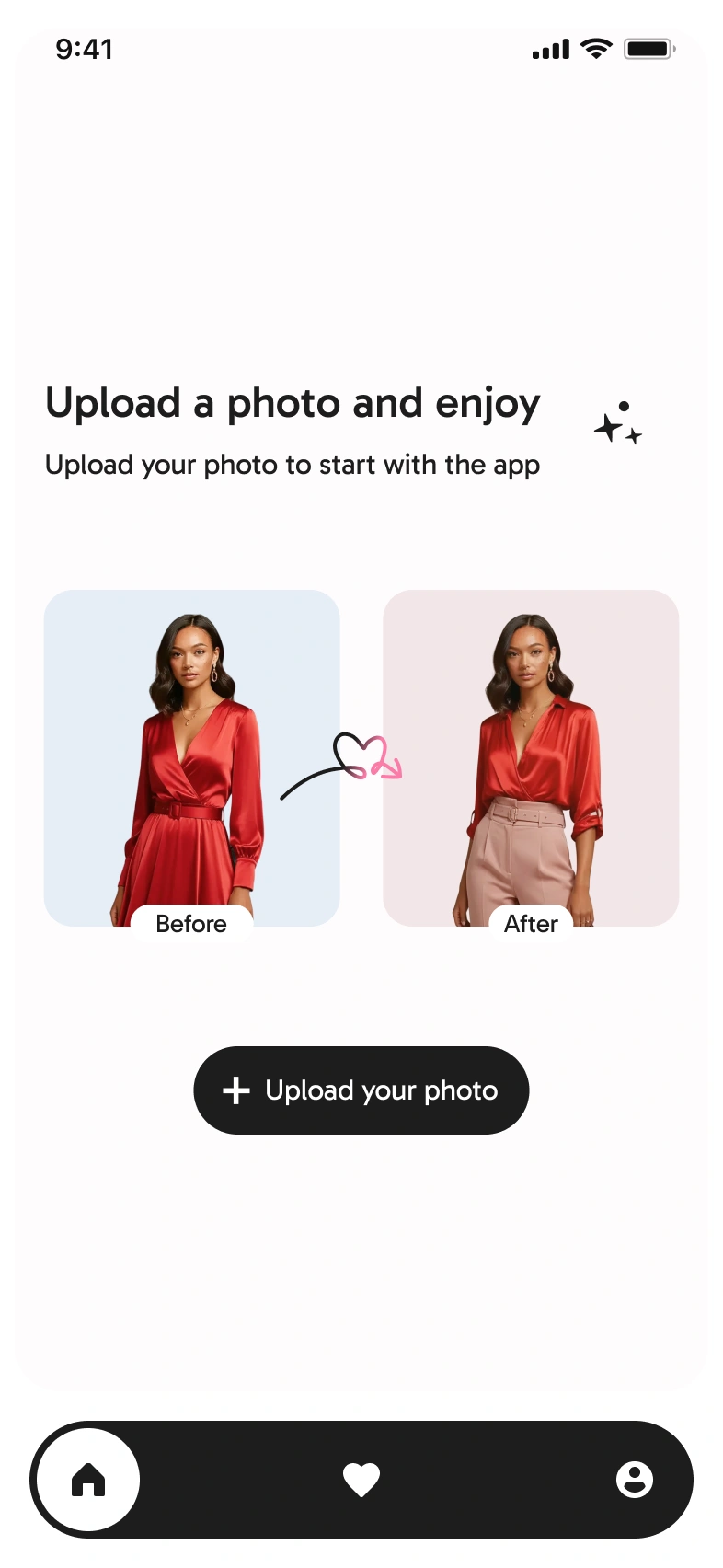
I have designed the key screens in Figma:
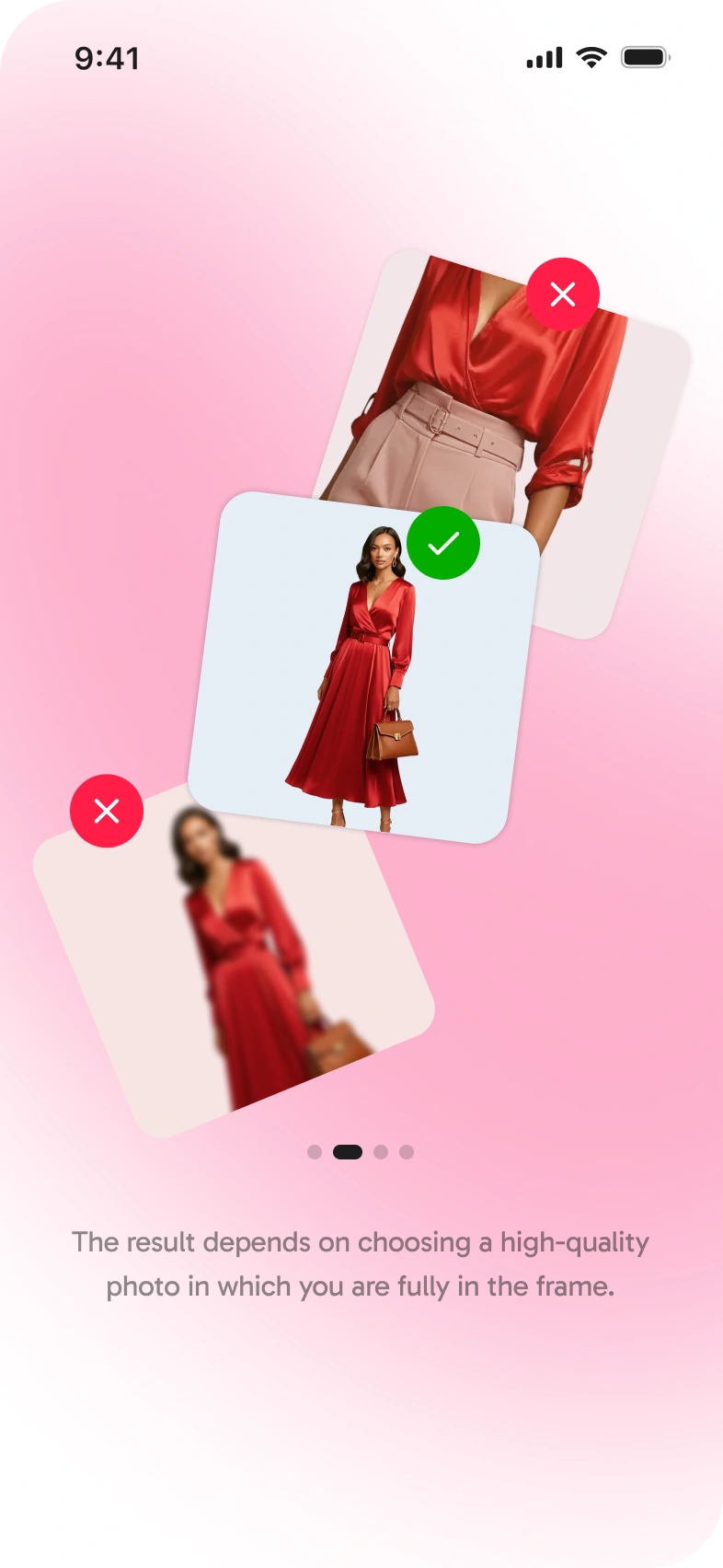
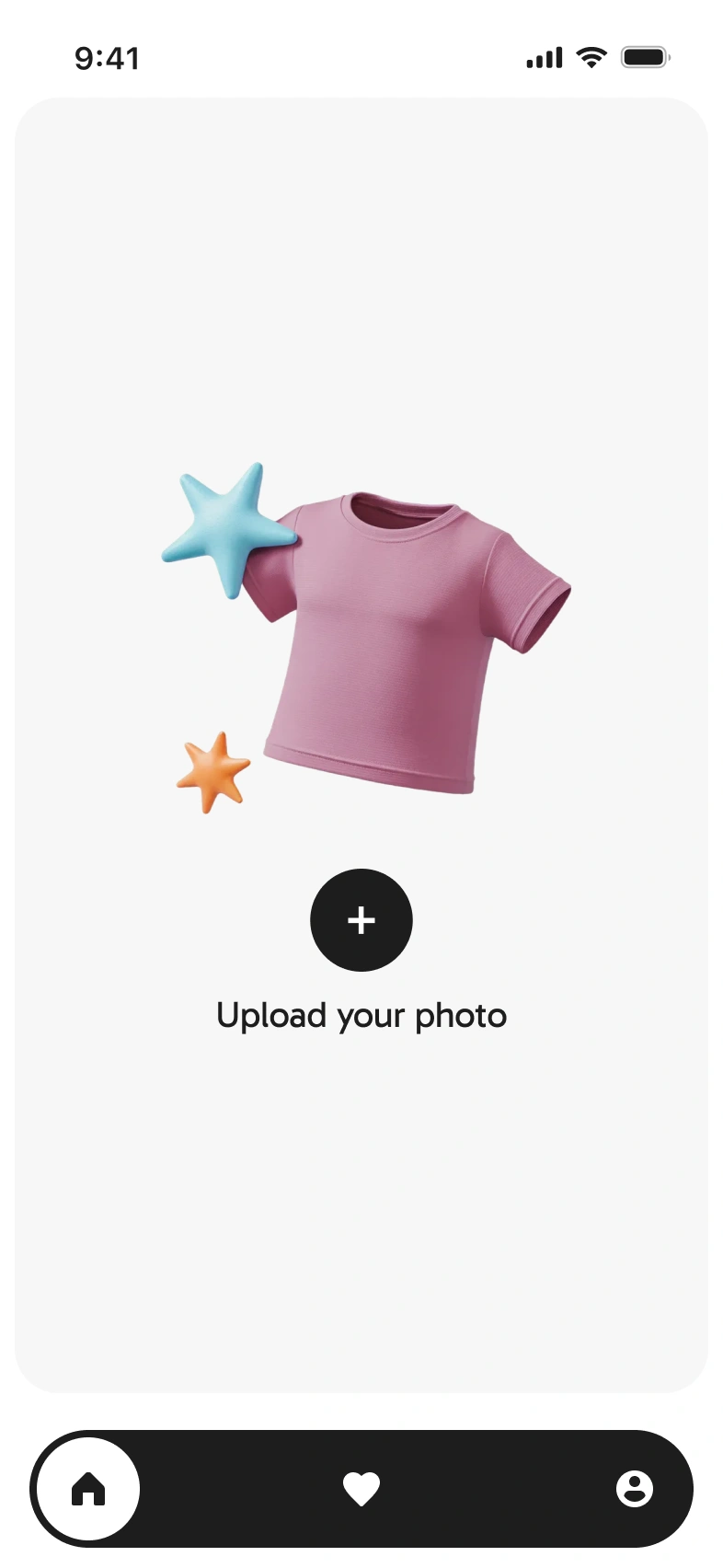

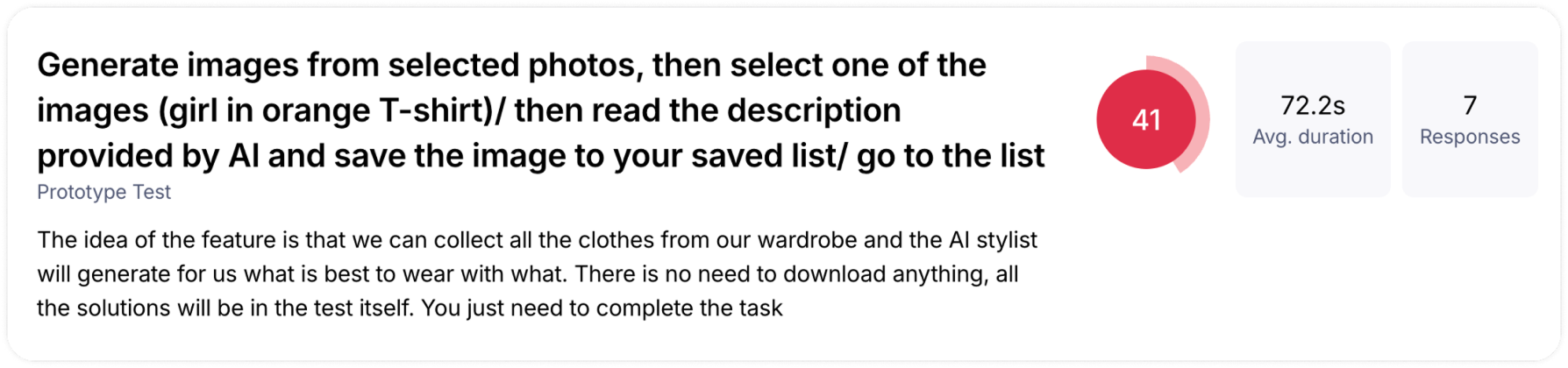
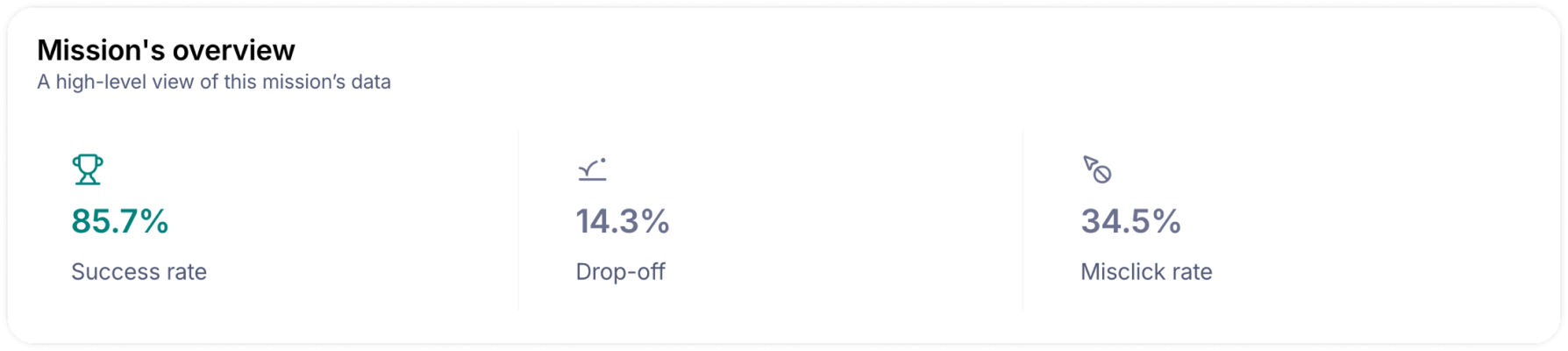
After creating the first version of the interface, I quickly launched testing through Maze

Main issues identified by the tests:
I completely redesigned the editor mechanics, using the familiar Instagram Stories pattern as a basis. I added a vertical right panel with the main tools (upload clothes, change look, AI settings).
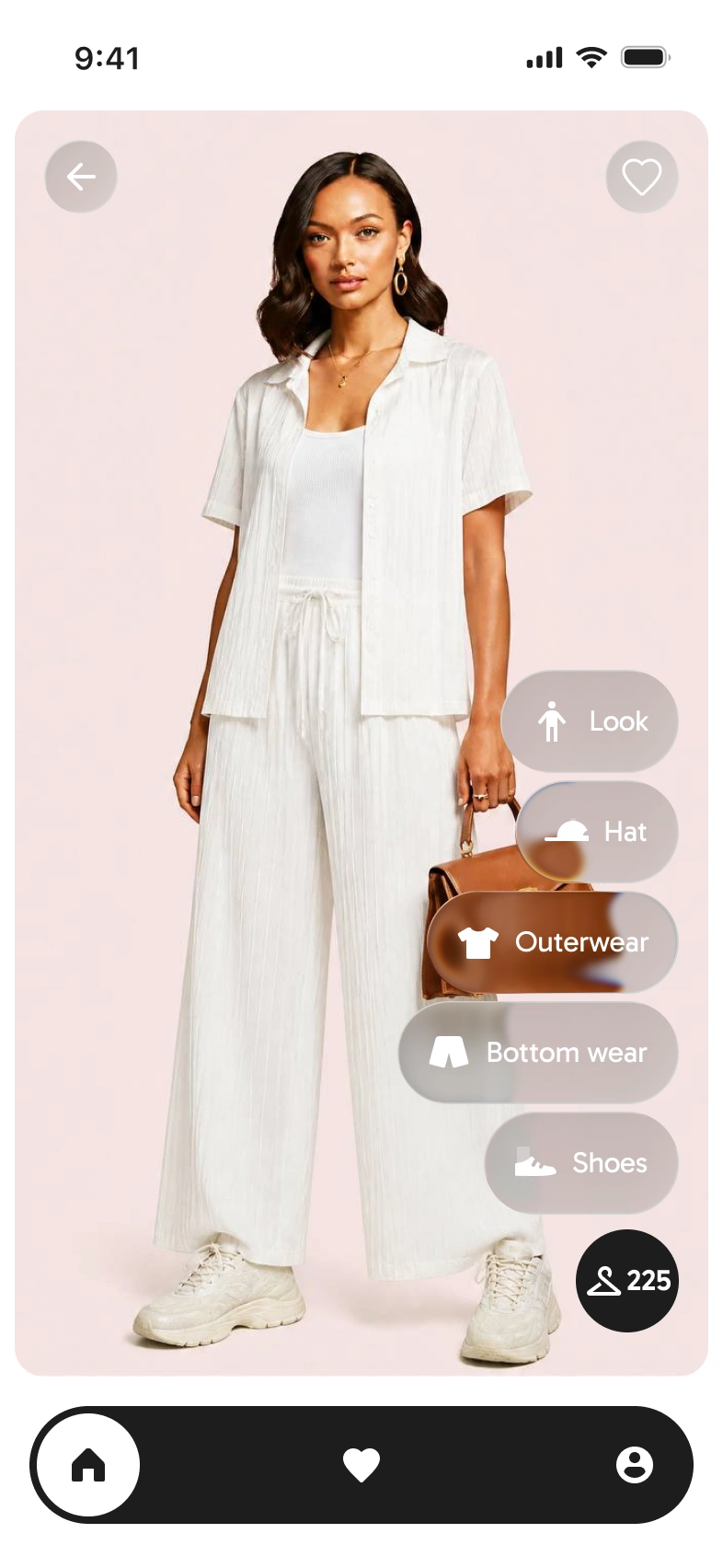

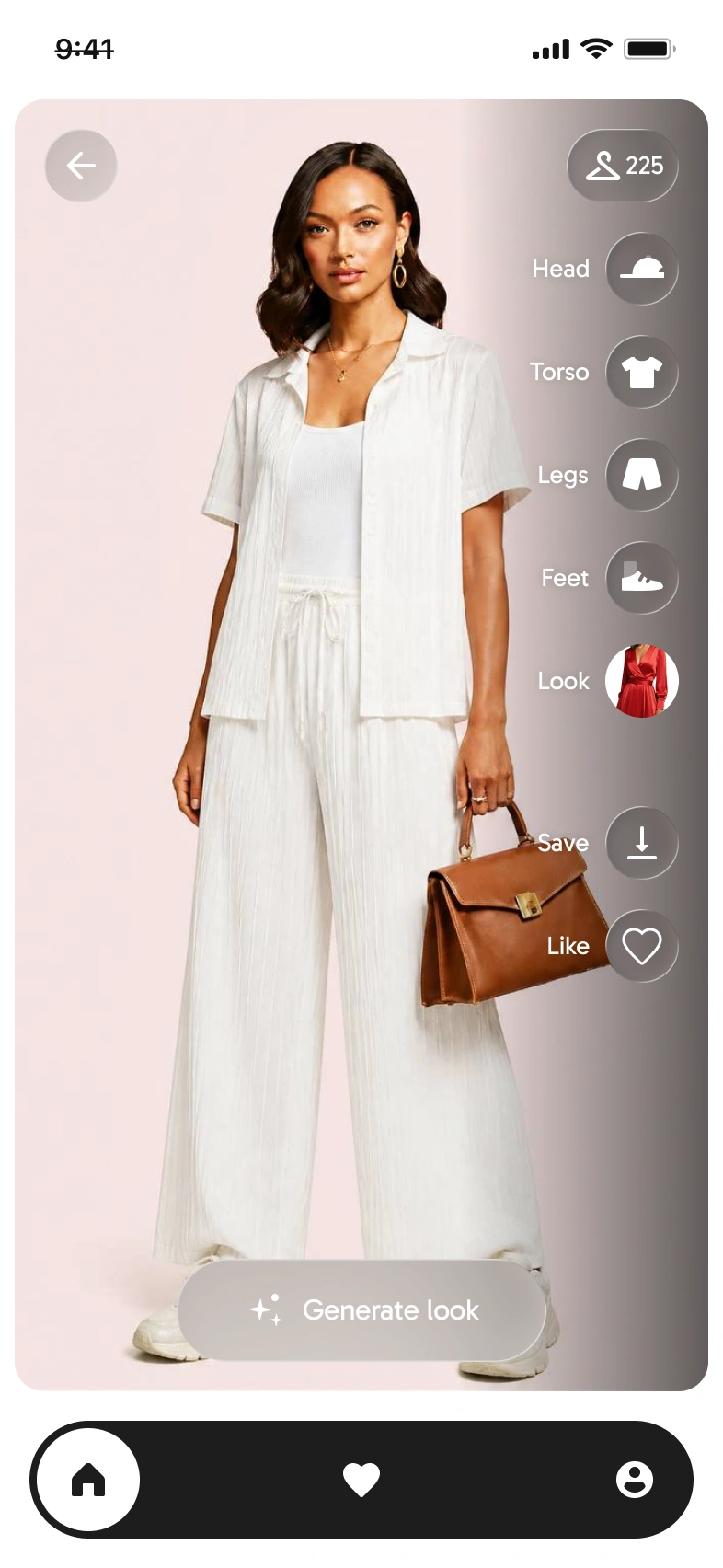
This solution significantly increased
intuitiveness — users began to understand the product within seconds.

This project became an important experience for me working under very tight deadlines. I realized that even in five weeks, you can create a quality product if you prioritize tasks correctly, test solutions quickly, and aren’t afraid of making drastic changes based on test results.
 Back to portfolio